
What Is the Best Beef Jerky Recipe?
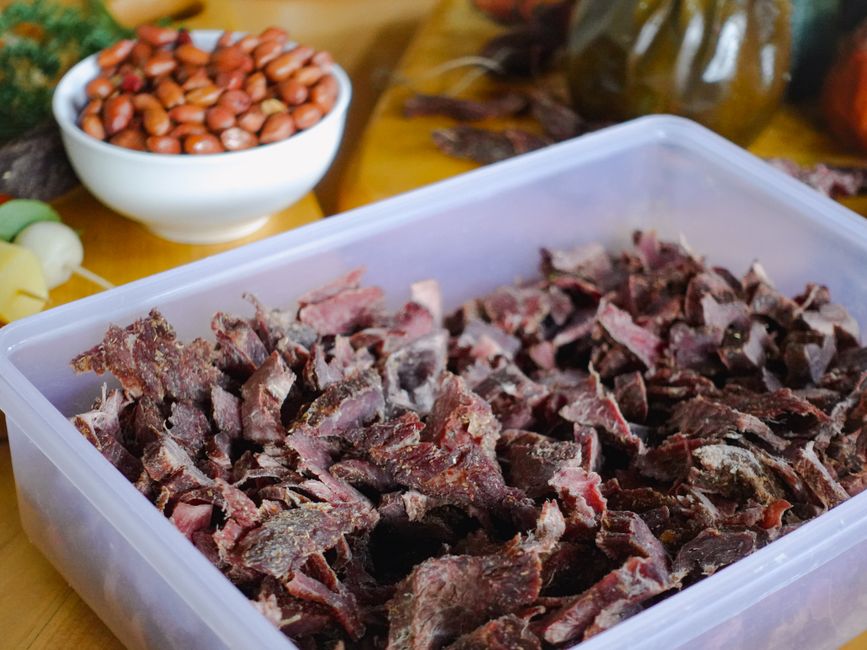
The best beef jerky recipe starts with lean beef, sliced uniformly no thicker than ¼ inch, and a measured soy-Worcestershire marinade. Refrigerate the strips, then heat them to 160°F before drying to reduce pathogen risk. Dry with space between strips until a cooled piece cracks but does not break when bent; that texture check measures dryness, not safety.
What is the secret to good jerky?
Good jerky depends on three controls: lean meat, even slices, and separate safety and drying checks. Uniform strips dry more evenly; fat can turn rancid and cause off-flavors during drying or storage, so trim visible fat before slicing.
Slice partially frozen beef for easier, more even cutting. Cut no thicker than ¼ inch. Slice with the grain for a chewier strip, or across the grain for a more tender, brittle result, as the National Center for Home Food Preservation explains.
Safety comes before texture. The USDA Food Safety and Inspection Service recommends heating beef to 160°F before dehydration because a warm oven or typical dehydrator may not heat raw meat enough to destroy pathogens before drying makes them more heat-resistant. After that heating step, maintain a dehydrator at 130–140°F during drying, according to the USDA FSIS jerky guidance.
The cooled bend test answers a different question. It tells you whether the strip has dried to the desired texture; it does not establish that the meat received the pathogen-reduction heating step.
What is the best cut of meat to make beef jerky?
The best cuts are lean cuts with little visible fat, such as round, flank, or chuck. Utah State University Extension also lists rump roast, brisket, and cross rib as options, while cautioning against highly marbled or fatty meat.
Trim fat and connective tissue before slicing. Fat does not dry like lean muscle and can lead to rancid flavors in storage. Blotting excess marinade from the strips before arranging them also helps avoid carrying unnecessary liquid onto the racks.
Grain direction is a texture choice, not a safety choice. With-the-grain strips take more chewing; across-the-grain strips are more tender and brittle. Whichever direction you choose, keep the thickness consistent so one thin strip does not dry much sooner than a thicker neighbor.
What is the best recipe for homemade beef jerky?
This base recipe follows the National Center for Home Food Preservation’s tested marinade proportions for 1½–2 pounds of lean meat. For a clear per-pound starting ratio, use the amounts below for 1½ pounds and scale evenly to suit your batch.
| Ingredient or step | Amount or instruction |
|---|---|
| Lean beef | 1½ pounds, trimmed and sliced no thicker than ¼ inch |
| Soy sauce | ¼ cup |
| Worcestershire sauce | 1 tablespoon |
| Black pepper | ¼ teaspoon |
| Garlic powder | ¼ teaspoon |
| Onion powder | ½ teaspoon |
| Hickory smoke-flavored salt | 1 teaspoon |
| Marinate | Refrigerate 1–2 hours or overnight |
| Dry | Use the appliance guidance below; check a cooled piece |
For an exact per-pound version, divide each ingredient by 1½: for every pound of beef, use ⅙ cup soy sauce, 2 teaspoons Worcestershire sauce, ⅙ teaspoon each black pepper and garlic powder, ⅓ teaspoon onion powder, and ⅔ teaspoon hickory smoke-flavored salt. These amounts preserve the tested proportions; avoid rounding the salt upward.
For a sweeter batch, add a small amount of sugar or honey; for a smoky batch, use the hickory smoke-flavored ingredient already in the formula; for heat, add ground chili or cayenne. These are flavor adjustments, not tested preservation ratios, so keep the base salt and sauce amounts stable and do not treat sweetness or spice as a safety step.
Marinate in the refrigerator, never at room temperature, and do not reuse the marinade. Use clean equipment and utensils. The National Center for Home Food Preservation gives the marinade proportions and cautions that longer marinating can make the jerky saltier.
What is the best marinade for making beef jerky?
A measured soy, Worcestershire, pepper, garlic, onion, and hickory-flavored marinade is a dependable starting point. It seasons the beef without requiring an improvised blend, and the ingredients can be adjusted by taste in later batches without changing the safety process.
Refrigerate the meat in the marinade for 1–2 hours or overnight. Choose a shorter soak for less salt intensity: the University of Georgia preservation guidance notes that longer marinating can make jerky saltier. Before drying, blot the strips dry and arrange them close together but not touching or overlapping.
Oven and dehydrator workflows differ mainly in airflow and temperature control. Utah State University Extension describes drying at 150°F until a cooled test piece cracks but does not break, with a stated drying time of 10–24 hours. The University of Georgia guidance gives 140°F for about 10–24 hours. These are source-specific drying instructions, not replacements for the preliminary 160°F heating step.
| Method | Setup | Dryness check |
|---|---|---|
| Dehydrator | Arrange strips in a single layer with space for airflow; use the manufacturer’s temperature controls and the applicable guidance. | Cool a test strip; it should crack but not break when bent. |
| Oven | Set strips on cake racks over a baking sheet, leaving space between pieces so air can move around them. | Check a cooled test strip rather than relying on time alone. |
Appliances vary, so time alone is a poor finish signal. A pound of meat yields about four ounces of jerky, according to USDA FSIS; the large weight change reflects substantial drying, but the cooled bend test remains the practical texture check.
Troubleshooting texture and flavor
| Result | Likely adjustment next time |
|---|---|
| Too salty | Shorten the refrigerated marinade time; avoid increasing the measured salt or soy-based ingredients. |
| Tough | Slice across the grain for a more tender result and keep strips at a uniform thickness. |
| Greasy or off-flavored | Choose leaner beef and trim visible fat before marinating and drying. |
| Brittle | Check sooner and use with-the-grain slicing for a chewier texture; do not confuse texture with safety. |
If an additional heating step is needed after drying, the University of Georgia recommends heating dried strips no thicker than ¼ inch in an oven preheated to 275°F for 10 minutes; thicker strips may need longer to reach 160°F. Its FAQ also says heating meat to 160°F decreases foodborne illness risk but cannot guarantee complete safety. Keep that safety guidance distinct from the bend test.
Frequently Asked Questions
How long should beef marinate before making jerky?
Refrigerate the strips in marinade for 1–2 hours or overnight. Longer marinating can make the jerky saltier, so use the shorter end for a milder result.
How do I know when homemade beef jerky is done?
Cool a test strip, then bend it: properly dried jerky cracks but does not break. This checks dryness and texture; it does not replace heating the beef to 160°F before drying to reduce pathogen risk.
How can I make jerky safely in an oven or dehydrator?
Heat the meat to 160°F before drying, since a warm oven or typical dehydrator may not heat raw meat enough before drying makes pathogens more heat-resistant. Keep strips separated and follow the appliance’s drying temperature guidance; check a cooled piece for the crack-but-not-break texture.
Sources
Read next
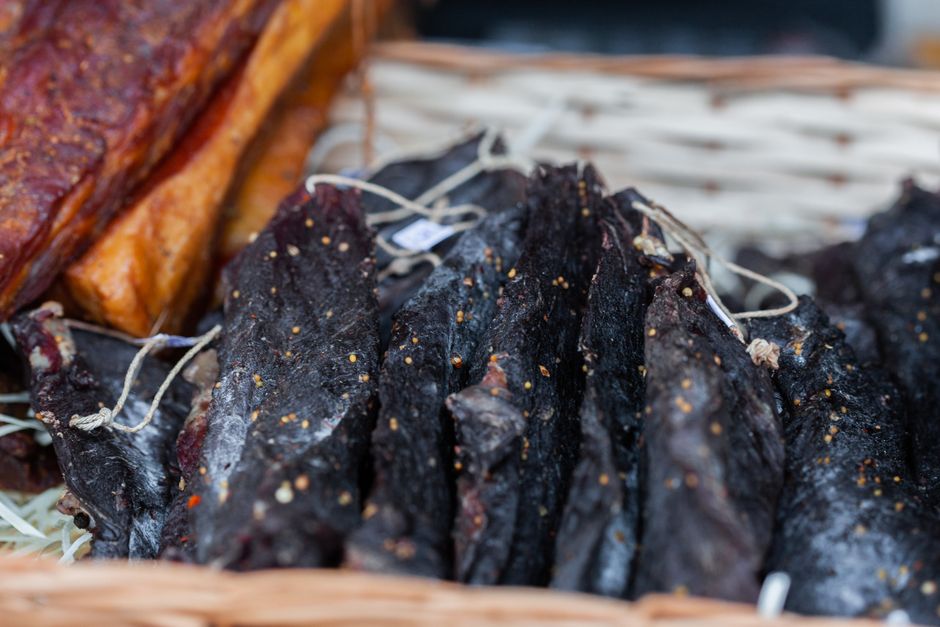
Best Beef Jerky in the World: The Overall Winner
Jack Link’s Original won Serious Eats’ 2026 blind test; Archer and 365 are alternatives for savory flavor or tender texture.
Who Is the King of Beef Jerky?
The “king of beef jerky” refers to founder Jack Link and his namesake company, the reported leader in jerky manufacturing.
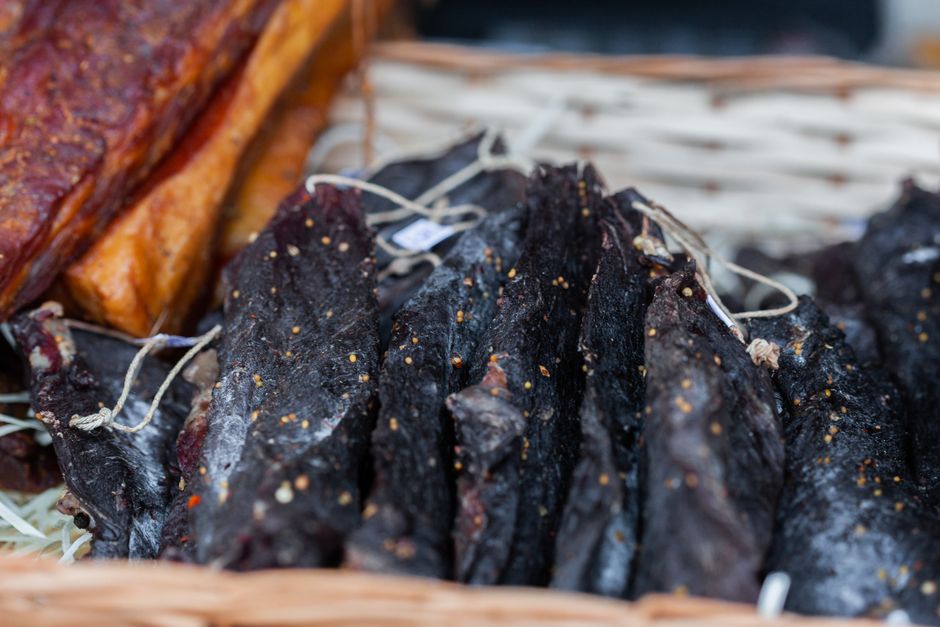
Best Beef Jerky: The Best Pick for Taste, Value, and Texture
Jack Link’s Original won the broadest supplied taste test; compare labels for nutrition and check unit prices for value.
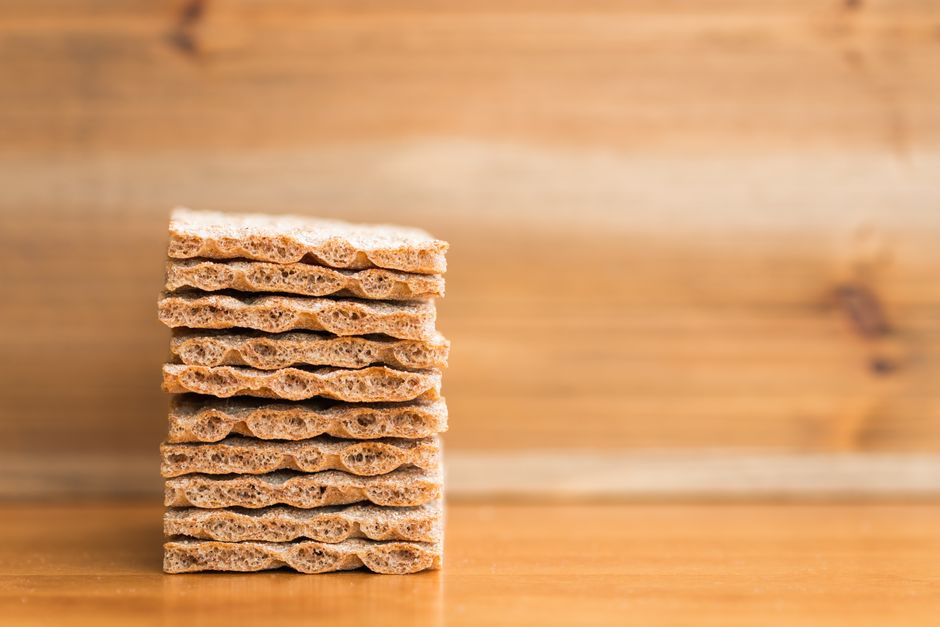
Low Carb Crackers: Compare Carbs, Taste, Protein, and Price
Rosemary Flackers list 1 g net carbs per 29 g; Fiber Gourmet lists 6 g per 30 g, while Simple Mills lists about 15–16 g.